Act Fast After the Storm
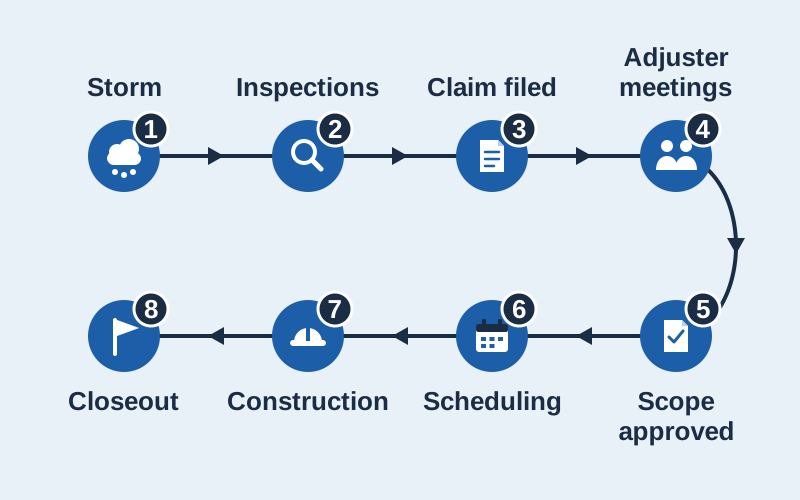
The May 8, 2017 Denver-area hailstorm, among the most expensive insured catastrophes in Colorado history, showed how much damage one storm can do across a community. In the first days after a storm:
- Check for active leaks and hazards, and arrange temporary protection, such as tarps, where water is getting in. Keep receipts and photos.
- Notify the association's insurance agent or carrier promptly, since policies generally require timely notice.
- Record the date and time of the storm. Public records such as the NOAA Storm Events Database can later help confirm hail reports in your area.
- Confirm who is responsible for which roofs. In many communities the association insures the roofs, but in others, including some townhome communities, owners insure their own. Your declarations and policy decide this.
- Be cautious with unsolicited contractors, and hold off on signing anything until the board has acted under its governing documents.
Document Each Building Separately
Treat every building as its own file. Adjusters, contractors and owners will ask about specific buildings, and some policies apply deductibles per building. For each one, gather:
- A building number that matches a site map shared with the adjuster and contractor
- Dated photos of each roof slope or section, plus gutters, vents, siding, windows and screens
- A list of interior leaks by unit, with photos
- Pre-storm photos and inspection reports, which a documented maintenance plan will already have on file
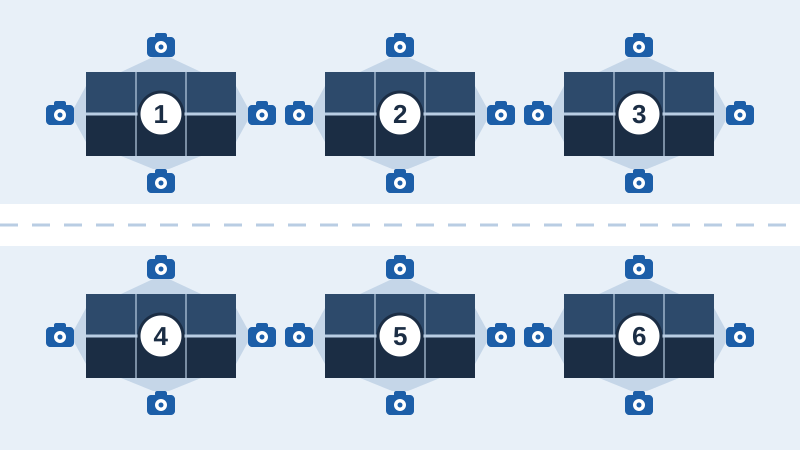
A simple spreadsheet tracking each building from inspection to completion will save hours of phone calls later.
Name One Point of Contact
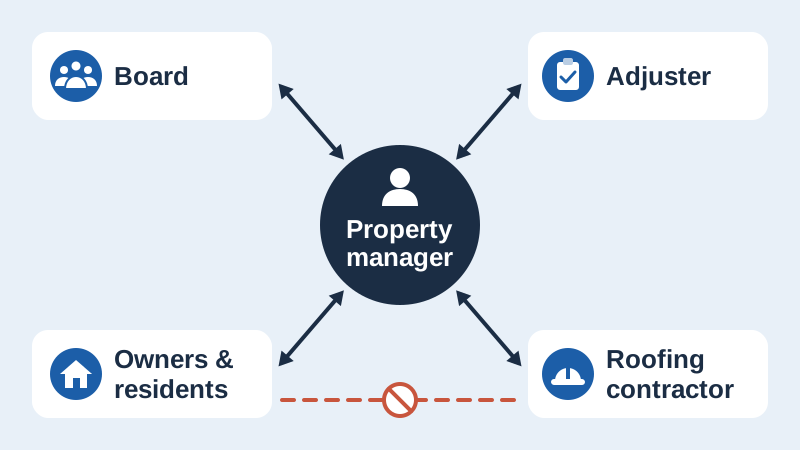
Designate one person, usually the community manager or a board liaison, to communicate with the carrier, the adjuster and the roofing contractor. Owners should send questions about the association's claim, and their leak reports, to that person instead of calling the insurer or contractor directly. One voice prevents conflicting instructions, duplicate claims and promises nobody can keep.
Board Decisions and Owner Communication
Check your governing documents for who can authorize emergency repairs, sign contracts and spend funds, and record decisions in the minutes. Ask your insurance agent how the deductible works, since it may apply per building or per occurrence, or be calculated as a percentage. Ask your association attorney how the declarations allocate deductibles and other costs. Then tell owners what happened, what the association is doing, what they are responsible for and when the next update will come, even if the news is that the claim is still in progress. Owners may also want to ask their own agents about loss assessment coverage on their unit-owner policies.
Meet the Adjuster Prepared
Invite your roofing contractor to attend the adjuster's inspection, and ask that every building be inspected rather than a sample. Bring the site map, photos and leak list. Take notes on what the adjuster looks at, and ask how and when you will receive the estimate. On large losses the carrier may bring in an engineer or consultant, so request copies of any reports that affect the decision.
Scope of Loss and Supplements
The insurer's estimate, often called the scope of loss, describes what the carrier believes was damaged and what it will pay. Compare it line by line with your contractor's findings for every building, looking closely at flashings, vents, gutters and code-required work. Hidden damage, such as deteriorated decking found during tear-off, is usually handled through a supplement, a documented request to add items to the claim. Tie each supplement to a specific building and back it with photos.
If You Disagree on the Amount
Many property policies include an appraisal provision for disputes over the amount of loss. In general terms, each side selects an appraiser, the two appraisers choose an umpire, and agreement between any two of them sets the amount. Appraisal generally addresses how much the loss is worth rather than whether it is covered, and terms and costs vary, so read the policy and talk with your association attorney or an insurance professional first. For questions about claim handling, the Colorado Division of Insurance offers consumer resources.
Proceeds, Scheduling and Trade Coordination
Know whether the policy pays replacement cost value (RCV) or actual cash value (ACV). Many policies pay ACV first and release recoverable depreciation after the work is complete, and some set deadlines for claiming it. Find out who will be named on claim checks, track proceeds by building and match payments to completed work. Then build a schedule that sequences buildings, orders materials early and coordinates every trade involved, from gutters and siding to HVAC disconnects and residents' satellite dishes.
Keep Residents Informed During Construction
- Post notices several days before work starts on each building
- Share work hours, parking changes and dumpster locations
- Ask residents to move vehicles, patio furniture and grills away from work areas
- Suggest taking down fragile wall hangings, since vibration can shake them loose
- Provide one contact for problems, and confirm daily cleanup, including magnetic sweeps for nails
Coordinating dozens of buildings, adjusters and trades is where an experienced partner matters most. Truman Roofing is the roofing team we trust for condos, apartments and HOAs, and their overview of how the insurance claim process works is a useful primer for board members. To fold claim proceeds into your long-term plan, see budgeting for roof replacement.