Keep Reserve Plans and Roof Data Current
Roofs are typically among the largest components in an association's reserve study, and they are a major line in any commercial owner's capital plan. Either plan is only as good as the information behind it. Keep a current record for every roof section:
- System type, area and installation date
- Condition rating and photos from the latest inspection
- Repair history and leak log
- Warranty documents and their conditions
- A professional estimate of remaining service life, updated after inspections and major storms
Share current inspection reports with whoever prepares your reserve study. Generic assumptions about roof life may not reflect what is actually on your buildings, and an update after a hailstorm or a run of leaks can change the funding picture.
What Drives a Roof's Service Life
Rather than assigning one number to every roof, look at the factors that shorten or extend its life:
- System type: different materials age differently
- Installation quality: how well the flashings, seams, attachment and drainage were detailed and built
- Maintenance: clear drains, sealed details and prompt repairs help a roof reach its expected life
- Climate: high-elevation UV, big temperature swings and freeze-thaw cycles age materials faster in Colorado
- Hail: the Front Range sits in or next to Hail Alley, and damage that does not leak right away can still shorten a roof's life
- Use: foot traffic, rooftop equipment and grease from restaurant exhaust can all take a toll
To gauge exposure, you can search NOAA's storm event records for past hail reports near your properties. The Insurance Institute for Business & Home Safety publishes research on how roofing materials perform in hail and other severe weather.
Get a Professional Condition Assessment
Before a roof enters the replacement window in your plan, ask a qualified roofer for a formal condition assessment. On low-slope roofs, that may include core samples and a moisture survey, such as an infrared scan, to find wet insulation hidden under the membrane. Expect a written report with photos, an estimate of remaining life and options with budget-level pricing. Regular inspections using a consistent roof inspection checklist make these assessments faster and more reliable.
Repair, Restore or Replace
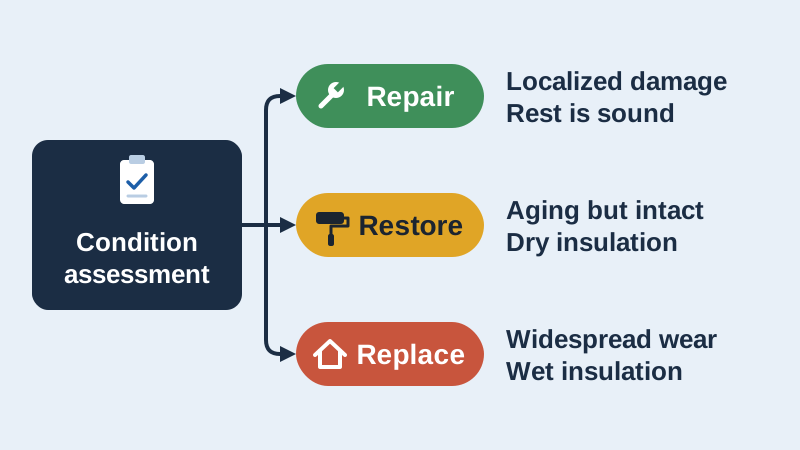
Most aging roofs reach a point where the board or owner must choose among three paths:
| Option | When it can make sense | What to check |
|---|---|---|
| Repair | Damage is localized and the rest of the roof is sound | Whether leaks keep returning in new places |
| Restore with a coating | The membrane is aging but intact, and the insulation is dry | Moisture survey results, manufacturer requirements and effects on any warranty |
| Replace | Wear is widespread, insulation is wet or leaks keep recurring | Deck condition, permits and whether code allows a new roof over the old one |
A good contractor will tell you when a repair is enough. Truman Roofing can handle targeted commercial roof repairs that buy time while reserves build, and when the numbers point the other way, they can scope and price a complete roof replacement building by building.
Phase Replacements Across Buildings
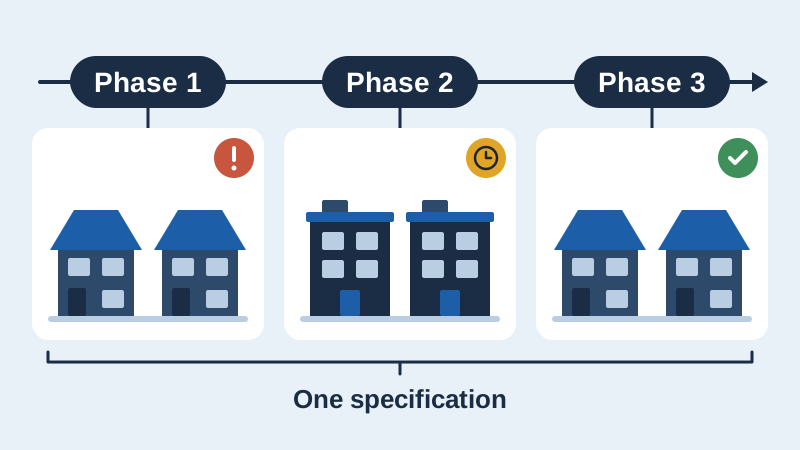
Unless an insurance claim covers the whole community, replacing every roof in the same year is often neither necessary nor affordable. Phasing spreads the cost and gives reserves time to catch up. When building a phased plan:
- Rank roofs by condition and by the consequences of a failure, such as occupied units or sensitive tenant spaces below
- Group roofs with similar systems or ages so each phase is efficient to bid and build
- Use one specification across phases so details and warranties stay consistent
- Check that the product and color you choose are likely to remain available, so later buildings match
- Revisit the plan after every major storm, since hail can move a roof to the front of the line
Get Comparable Bids
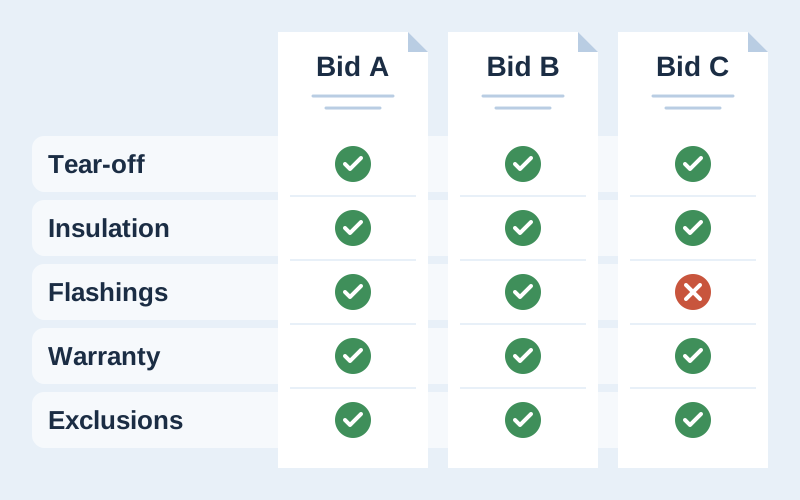
Bids are only comparable when they price the same work. Give every bidder the same written scope: roof areas, tear-off or overlay, insulation, attachment method, flashing and edge details, drainage improvements and the warranty you expect. Ask for unit prices for hidden conditions such as wet insulation or damaged decking, and for a clear list of exclusions. Confirm each bidder is licensed where your city or county requires it, carries insurance and will pull the required permits.
Schedule Around Hail Season and Winter
Colorado's calendar shapes roof projects. Large hail is most frequent from roughly mid-April through mid-August, and after a major storm, crews and materials can be in heavy demand. Winter brings short days, snow and ice, and some adhesives, coatings and sealants need warmer temperatures to cure or seal properly. Complete assessments in the fall where possible, before snow hides the roof surface, then use the winter months for bids and board approvals so contracts, permits and materials are ready when the weather allows. Build weather delays into every schedule.
Communicate With Owners and Tenants
People accept big projects more readily when they understand them. Share the condition findings, explain how the work fits the reserve plan and be candid if reserves are short and other funding, such as a special assessment, is being considered. Before work begins, tell residents or tenants which buildings are scheduled, when crews will be working, where to park and whom to contact with problems. Commercial owners should also review lease provisions on roof responsibilities and notice. If storm damage is already part of the picture, our guide to managing an HOA hail claim explains how insurance fits in.