How to Use This Checklist
Rooftop inspections belong in the hands of qualified roofers. Managers and board members still play a useful role: walking the grounds, checking interiors and top-floor units, and reviewing each report against the items below. Keep a copy for each roof section, mark findings on a roof plan and attach dated photos. If your roofer's report skips any of these items, ask why.
When to Inspect
- At least every spring and fall
- After hail, high winds or heavy snow, once it is safe to go up
- After HVAC, solar, telecom or other contractors work on the roof
- When you take over management of a property, so you know what you inherited
- Before a manufacturer or workmanship warranty expires, so covered problems can be reported in time
- Before a reserve study update or budget season
Low-Slope Roofs
Flat and low-slope roofs on commercial buildings, apartments and condominiums depend on good drainage and watertight details.
Drainage and Debris
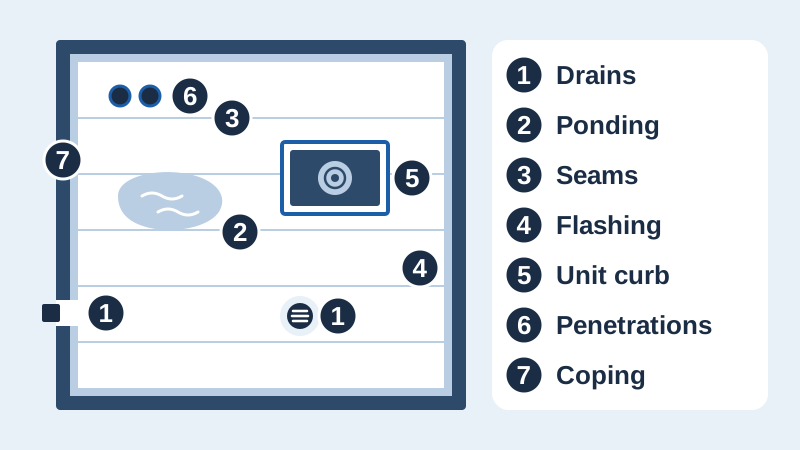
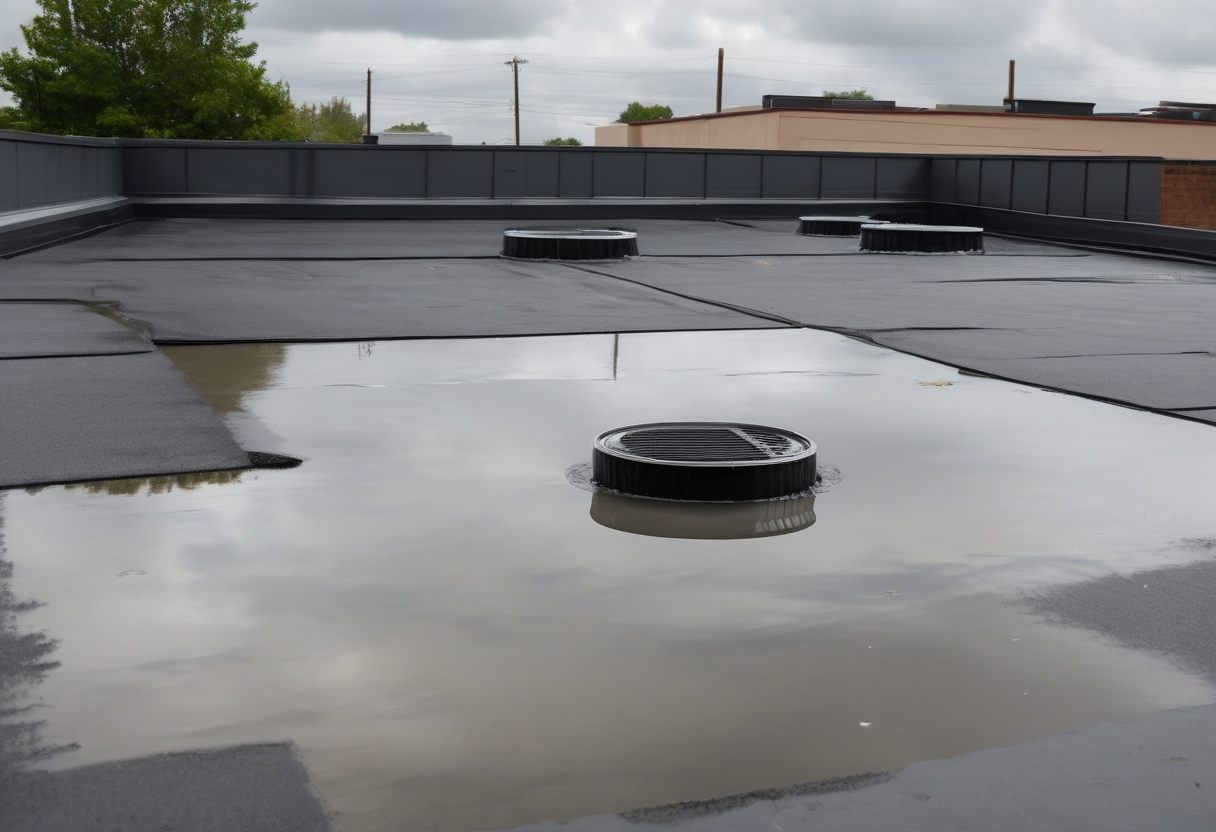
- Drains and scuppers: strainers in place, openings clear and no debris or standing water around them; overflow drains or scuppers open
- Gutters, downspouts and collector heads: secure, open and discharging away from the building
- Ponding: mark any area where water remains 48 hours after rain under conditions conducive to drying, the definition used by the National Roofing Contractors Association (NRCA). Ponding adds weight, can speed membrane wear and often points to a drainage or slope problem
- Debris: leaves, branches, trash, screws and leftover materials removed; overhanging trees noted
Membrane Surface and Seams
- Cracks, splits, punctures, scuffs and worn or bare surfacing
- Seams that are open, lifting or wrinkled
- Blisters, which form when air or moisture is trapped between layers or under the membrane; note their size and location, and do not cut them open
- Membrane pulling away from edges, walls or curbs
- After a storm, dents in metal vents, flashings or equipment housings, which can signal hail large enough to need a closer look
Flashings, Parapets and Coping
- Base flashings at walls and curbs adhered and intact, with no open laps
- Counterflashing, termination bars and edge metal secure and sealed
- Parapet walls free of cracks, and coping secure with sealed joints so water cannot enter the wall below
Penetrations, Rooftop Units and Sealants
- Pipes, vents and conduit penetrations sealed; pitch pans filled and not cracked
- Rooftop unit curbs flashed and watertight; access panels fastened so they cannot blow loose
- Condensate lines draining properly instead of onto unprotected membrane
- Walkway pads in place along service routes
- Sealant at terminations, coping and penetrations checked for cracking, shrinking or separation
- Abandoned equipment and unused penetrations flagged for removal and proper closure
Steep-Slope Roofs
Pitched roofs on townhomes, garden-style apartments and mixed-use buildings need their own checks:
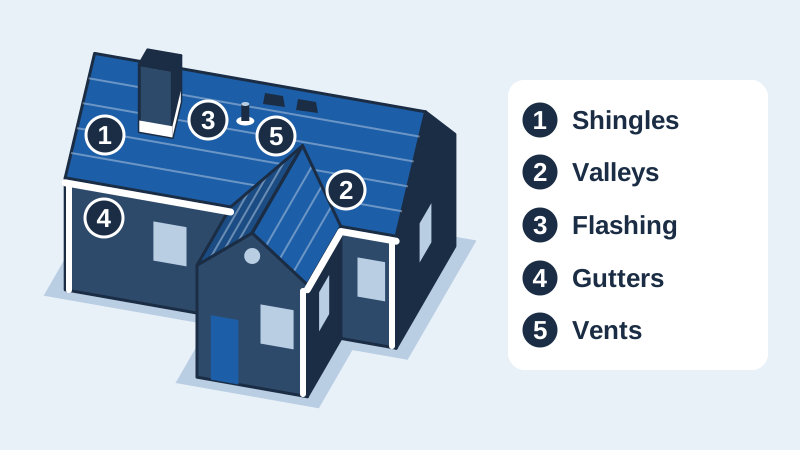
- Shingles: missing, lifted, creased, cracked or curling shingles, and heavy granule loss, often visible as granules collected at downspout outlets
- Flashing: step, wall, chimney and skylight flashing intact and sealed
- Valleys: clear of debris, with no worn or damaged shingles or metal
- Gutters and downspouts: secure, clear, properly sloped and discharging away from foundations
- Vents: roof vents, ridge vents and pipe boots intact; rubber boots can crack after years of sun exposure
If a storm has damaged several buildings at once, our hail claim guide for HOAs explains how to document each one.
Interior and Attic Signs
Many roof problems show up indoors first. Ask staff, residents and tenants to report them, and check during each inspection for:
- Water stains, sagging ceiling tiles or peeling paint on top floors and in stairwells
- Drips near light fixtures, sprinkler heads or along exterior walls
- Musty odors, mold or damp insulation
- In attics, stained or wet decking, daylight through the roof deck or rusted fasteners
- Staining near top-floor windows or below parapets
Safety and Access
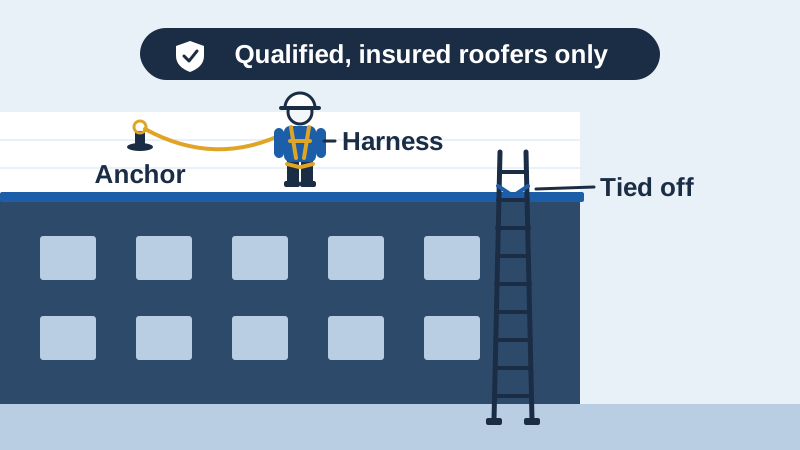
- Use qualified, insured roofers, and collect certificates of insurance before work begins
- Confirm the roofer is licensed where your city or county requires it
- Require fall protection and secure ladder setups; treat skylights and roof edges as fall hazards
- Postpone roof access during lightning, high wind, ice or snow cover
- Keep hatches and ladders locked, and log who goes up and why
- Stay clear of rooftop electrical equipment and overhead power lines
After the Inspection
Rank each finding as immediate, near-term or plan-and-budget, with a photo and location. Immediate items go straight to repair, and the rest feed your preventive maintenance plan and reserve updates. If you would rather have professionals run the whole cycle, Truman Roofing handles preventative maintenance and repair for commercial roofs, and you can arrange a roof inspection or survey to set a baseline for every building.